



Watermelon Seed Oil Benefits and Uses for Skin, Hair, and Personal Care Formulas
By on Jun 4th 2026
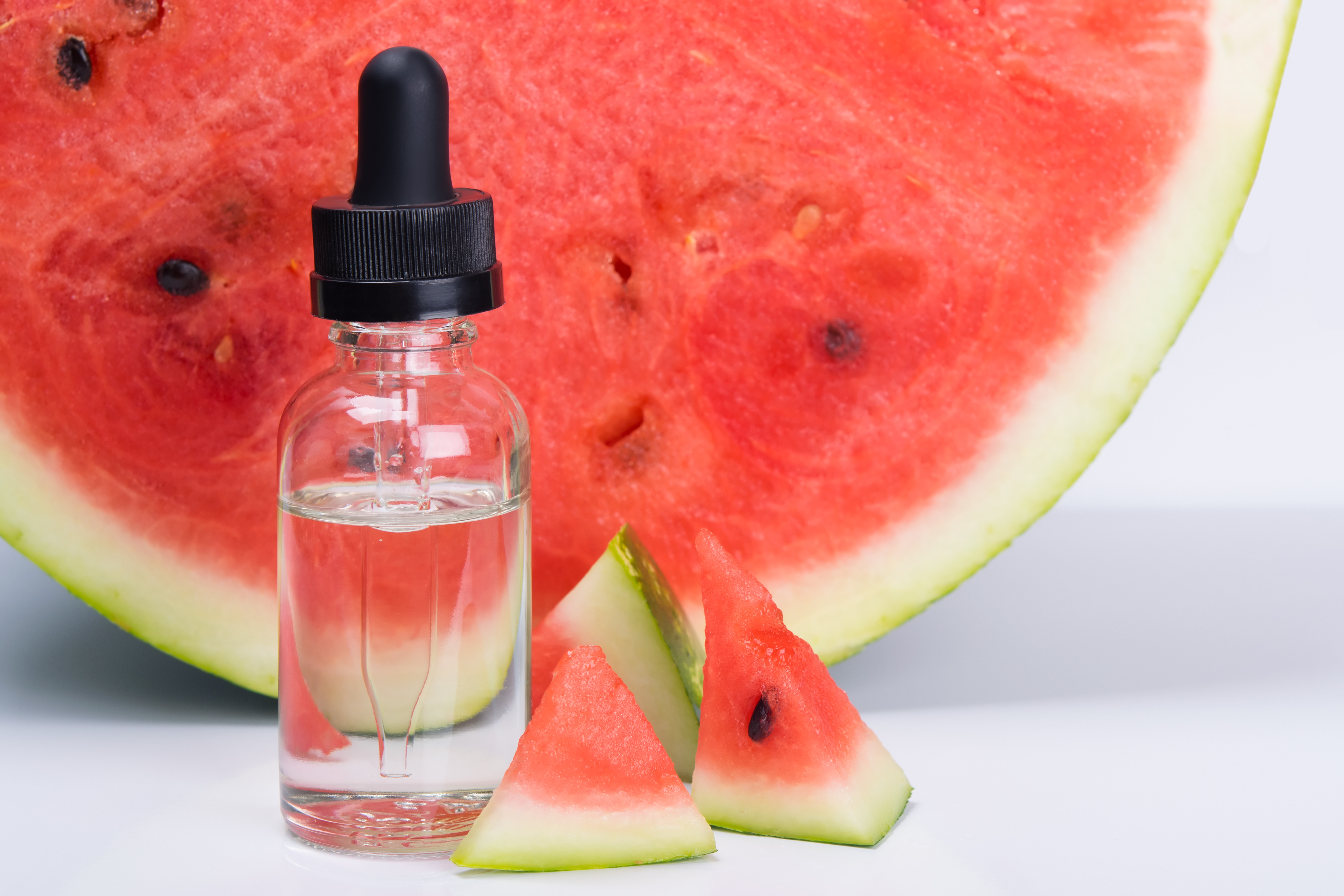
Watermelon Seed Oil is a lightweight plant-based oil used in skincare, hair care, and personal care formulations. Also known by its INCI name, Citrullus Lanatus Seed Oil, it is valued for its smooth skin feel, quick absorption, and conditioning properties.
Because it has a lighter feel than many traditional plant oils, Watermelon Seed Oil is commonly used in face oils, moisturizers, body oils, scalp treatments, hair oils, and other formulas where softness and conditioning are needed without a heavy or greasy finish.
In this guide, we’ll explain what Watermelon Seed Oil is, how it is used, its benefits for skin and hair, and what formulators should consider when selecting it for personal care products.
Common Uses of Watermelon Seed Oil
Watermelon Seed Oil is commonly used in:
- Facial oils and serums
- Lightweight moisturizers
- Body oils and lotions
- Scalp oils and hair treatments
- Hair masks and conditioners
- Beard oils
- Massage oils
- Oil-based cleansers
- Natural and plant-based cosmetic formulas
Its light texture makes it useful when a formula needs emollience, slip, and conditioning without a heavy after-feel.
What Is Watermelon Seed Oil?
Watermelon Seed Oil is the fixed oil obtained from watermelon seeds. In cosmetic ingredient labeling, it may appear as Citrullus Lanatus Seed Oil. It is often produced through cold pressing, a process that helps preserve the oil’s natural composition.
Watermelon Seed Oil is also sometimes discussed alongside Kalahari melon seed oil. These terms are often used closely in cosmetic and ingredient markets, but buyers should confirm the botanical source, INCI name, country of origin, and supplier documentation when sourcing.
Because of its lightweight texture, Watermelon Seed Oil is often used as an emollient ingredient. Emollients help soften and condition the skin by improving surface feel and supporting moisture retention. In hair care, the oil can help smooth the hair shaft, reduce the feel of dryness, and add a light conditioning effect.
Watermelon Seed Oil Composition
Watermelon Seed Oil is best known for its fatty acid content. Its profile typically includes linoleic acid, oleic acid, palmitic acid, and stearic acid, although exact percentages can vary depending on the seed source, growing conditions, and processing method.
Linoleic acid is one of the primary fatty acids associated with Watermelon Seed Oil. In personal care formulas, linoleic-rich oils are often valued for their lightweight feel and ability to support a smooth, conditioned skin feel. Oleic acid contributes softness and spreadability, while palmitic and stearic acids can help support the oil’s overall conditioning performance.
Key components may include:
- Linoleic acid for lightweight conditioning and skin feel
- Oleic acid for softness and emollience
- Palmitic and stearic acids for added conditioning properties
- Naturally occurring antioxidant compounds, including vitamin E
Watermelon Seed Oil Benefits for Skin
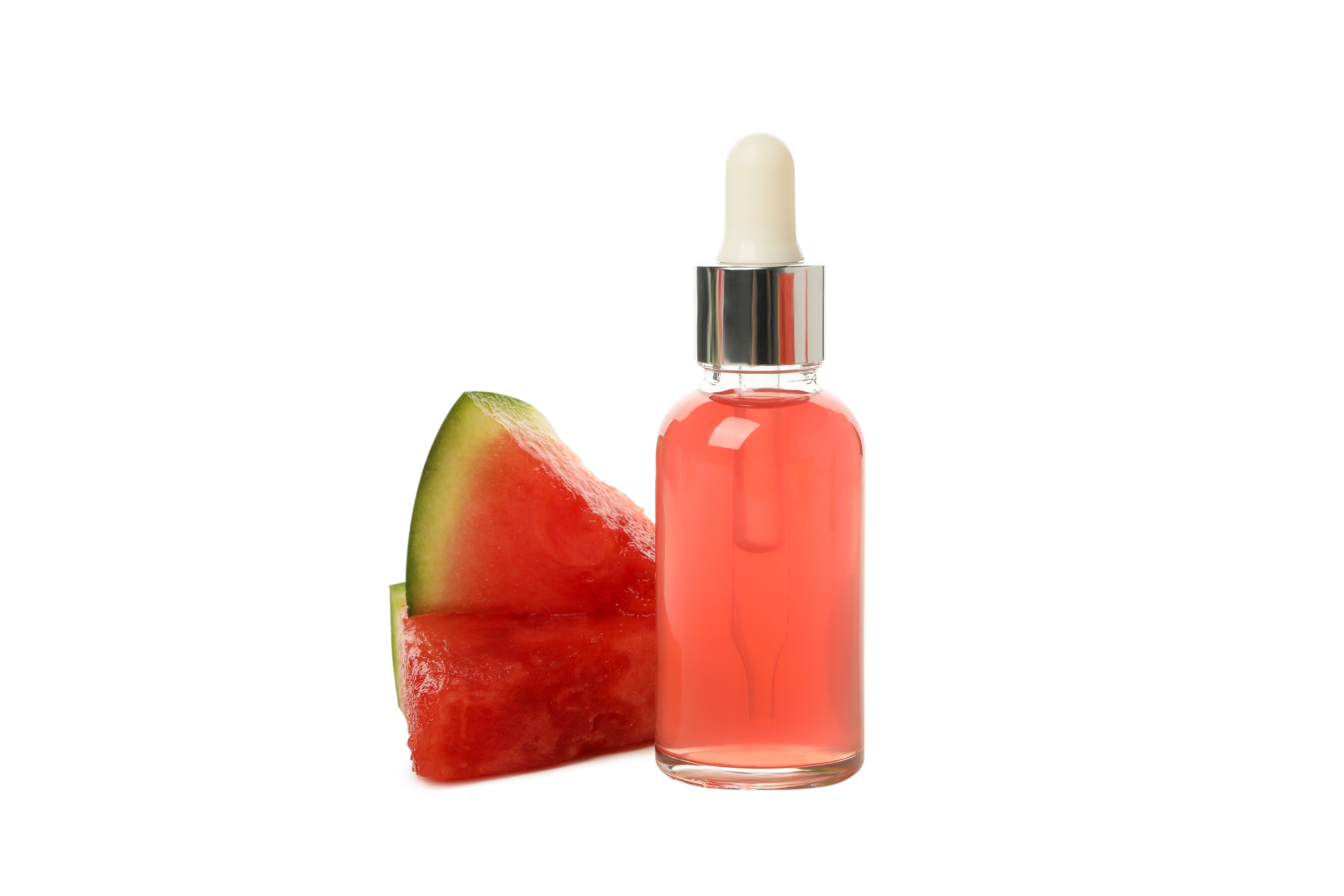
Watermelon Seed Oil can be a useful ingredient in skincare formulas because it moisturizes and conditions without the heavier feel of some richer plant oils. This makes it a practical option for facial oils, serums, lotions, body oils, and lightweight moisturizers.
For dry or rough-feeling skin, the oil can help soften the surface and improve skin feel. Its fatty acid profile can also support moisture retention and a smoother texture when used as part of a well-balanced formula.
Potential skincare benefits include:
- Lightweight moisturization
- A soft, smooth after-feel
- Support for dry or rough-feeling skin
- Conditioning without a heavy residue
- Compatibility with many facial and body care formulas
Watermelon Seed Oil is sometimes described as non-comedogenic, but that should not be treated as a guarantee for every user. Skin response depends on the individual, the amount used, and the full formula.
Watermelon Seed Oil Benefits for Hair
Watermelon Seed Oil is also used in hair care products because it can help condition the scalp and smooth the hair shaft. Its lighter texture may make it easier to use than heavier oils, especially in products designed for fine, dry, or frizz-prone hair.
In hair care applications, Watermelon Seed Oil may help improve softness, shine, and manageability. It can be used in scalp oils, pre-shampoo treatments, leave-on hair oils, conditioners, masks, and styling products.
Potential hair care benefits include:
- Light scalp conditioning
- Improved softness and shine
- Smoother-feeling hair
- Reduced appearance of dryness and frizz
- Conditioning support for ends and mid-lengths
Because the oil is lightweight, a small amount is usually enough. Overuse can still create buildup, especially near the roots.
Why Formulators Use Watermelon Seed Oil
Watermelon Seed Oil is attractive to formulators because it provides conditioning benefits with a light sensory profile. It can help improve slip, spreadability, and after-feel in formulas where heavier oils may feel too rich or greasy.
In skincare, it is often used in facial oils, moisturizers, body oils, and massage products. In hair care, it can be used in scalp oils, hair treatments, masks, conditioners, and lightweight leave-on oils.
For brands developing skin care or hair care products, Watermelon Seed Oil can support a lightweight, modern formulation profile. It is especially useful when the goal is to provide moisture, softness, and conditioning without a greasy or overly rich finish.
Formulators should evaluate:
- Usage level
- Sensory feel
- Oxidation stability
- Fragrance compatibility
- Packaging compatibility
- Finished-product performance
- Labeling and documentation requirements
How to Use Watermelon Seed Oil in Skin Care
For direct cosmetic use, Watermelon Seed Oil can be applied sparingly to clean skin. A few drops may be used on slightly damp skin as the final step in an evening routine or mixed into a moisturizer for added slip and conditioning.
Common skin care uses include:
- Applying 2 to 4 drops to the face or neck
- Mixing 1 to 2 drops into moisturizer
- Pressing a small amount onto dry patches
- Using it in body oil blends
- Adding it to massage oil formulas
When using Watermelon Seed Oil during the day, follow with sunscreen as part of a complete morning skin care routine.
How to Use Watermelon Seed Oil for Hair
For hair care, Watermelon Seed Oil should be used lightly. A small amount can be massaged into the scalp before shampooing, or applied to the ends of the hair to help reduce dryness and improve smoothness.
Common hair care uses include:
- Pre-shampoo scalp oil
- Lightweight leave-on oil for ends
- Addition to hair masks
- Smoothing oil for frizz-prone areas
- Conditioning ingredient in hair care formulas
For fine hair, start with 1 to 2 drops. For thicker or drier hair, slightly more may be used depending on the desired feel.
Simple DIY Uses for Watermelon Seed Oil
Watermelon Seed Oil can be a used in simple personal care blends, but DIY products should be made in small batches and handled with clean tools and containers.
Simple Face Oil Blend
Combine 1 tablespoon Watermelon Seed Oil with 2 to 3 drops of vitamin E oil. Apply 2 to 3 drops at night after cleansing, if your skin tolerates facial oils well.
Sugar Body Scrub
Mix 1 cup sugar with 1/2 cup Watermelon Seed Oil. Use on damp skin, massage gently, and rinse thoroughly.
Hair Conditioning Mask
Mix 2 tablespoons mashed avocado with 1 teaspoon Watermelon Seed Oil. Apply to mid-lengths and ends for 10 to 20 minutes, then shampoo thoroughly.
Safety and Storage
Watermelon Seed Oil is generally well tolerated, but irritation is possible with any cosmetic ingredient. Patch test before wider use, especially if you have sensitive skin or a history of reactions to plant oils.
Stop use if burning, itching, rash, or irritation occurs. If symptoms continue, speak with a qualified medical professional.
For best quality, store Watermelon Seed Oil in a cool, dark place with the cap tightly closed. Dark glass packaging can help protect the oil from light. Discard the oil if the smell, color, or texture changes noticeably.
Frequently Asked Questions About Watermelon Seed Oil
What is Watermelon Seed Oil used for?
Watermelon Seed Oil is used in skin care, hair care, and personal care formulas as a lightweight conditioning oil. It can help soften the skin, condition the scalp, smooth the hair, and improve the feel of moisturizers, oils, and cosmetic blends.
Is Watermelon Seed Oil good for skin?
Watermelon Seed Oil can be useful in many skin care formulas because it provides lightweight moisture and emollience. It helps soften dry or rough-feeling skin and supports a smooth skin feel without the heavy residue associated with some richer oils.
Is Watermelon Seed Oil good for hair?
Watermelon Seed Oil can help condition the scalp and smooth the hair shaft. It is often used to improve softness, shine, and manageability, especially in lightweight hair oils, scalp treatments, conditioners, and masks.
What is the INCI name for Watermelon Seed Oil?
The INCI name for Watermelon Seed Oil is Citrullus Lanatus Seed Oil.
Is Watermelon Seed Oil the same as Kalahari melon seed oil?
Watermelon Seed Oil and Kalahari melon seed oil are often used closely in cosmetic and ingredient markets. Buyers should confirm the botanical source, INCI name, country of origin, and supplier documentation when sourcing.
Is Watermelon Seed Oil non-comedogenic?
Watermelon Seed Oil is often described as lightweight and suitable for many skin types, but no oil is guaranteed to be non-comedogenic for every person. Skin response depends on the individual, the amount used, and the complete formula.
Can Watermelon Seed Oil be used in cosmetic formulations?
Yes. Watermelon Seed Oil is commonly used as an emollient and conditioning oil in skincare, hair care, and personal care formulations. It is often selected when a formula needs softness, slip, and conditioning without a heavy finish.
How do you use Watermelon Seed Oil on your face?
Apply 2 to 4 drops to clean, slightly damp skin, usually as the last step in an evening routine. It can also be mixed into moisturizer for added slip and conditioning.
How do you use Watermelon Seed Oil for hair?
Use a small amount on the scalp before shampooing, or apply 1 to 2 drops to the mid-lengths and ends of the hair to help smooth dryness and frizz. Start with a small amount to avoid buildup.
How should Watermelon Seed Oil be stored?
Store Watermelon Seed Oil in a cool, dark place with the cap tightly closed. Dark glass packaging can help protect the oil from light, and the oil should be discarded if its smell, color, or texture changes noticeably.
Is Watermelon Seed Oil Right for You?
Watermelon Seed Oil is a versatile ingredient for skin care, hair care, and cosmetic formulation. Its lightweight texture, fatty acid profile, and conditioning properties make it useful for products that need moisture and softness without a heavy finish.
For consumers, it can be a simple addition to a skin or hair care routine when used carefully. For formulators, it offers a plant-based oil option suitable for lightweight bottlenecks, facial oils, scalp treatments, conditioners, and other personal care products.
Ready to Add Watermelon Seed Oil to Your Product Line?
Ensure your inventory is stocked with the highest grade botanicals. Order online instantly with Ingredi!
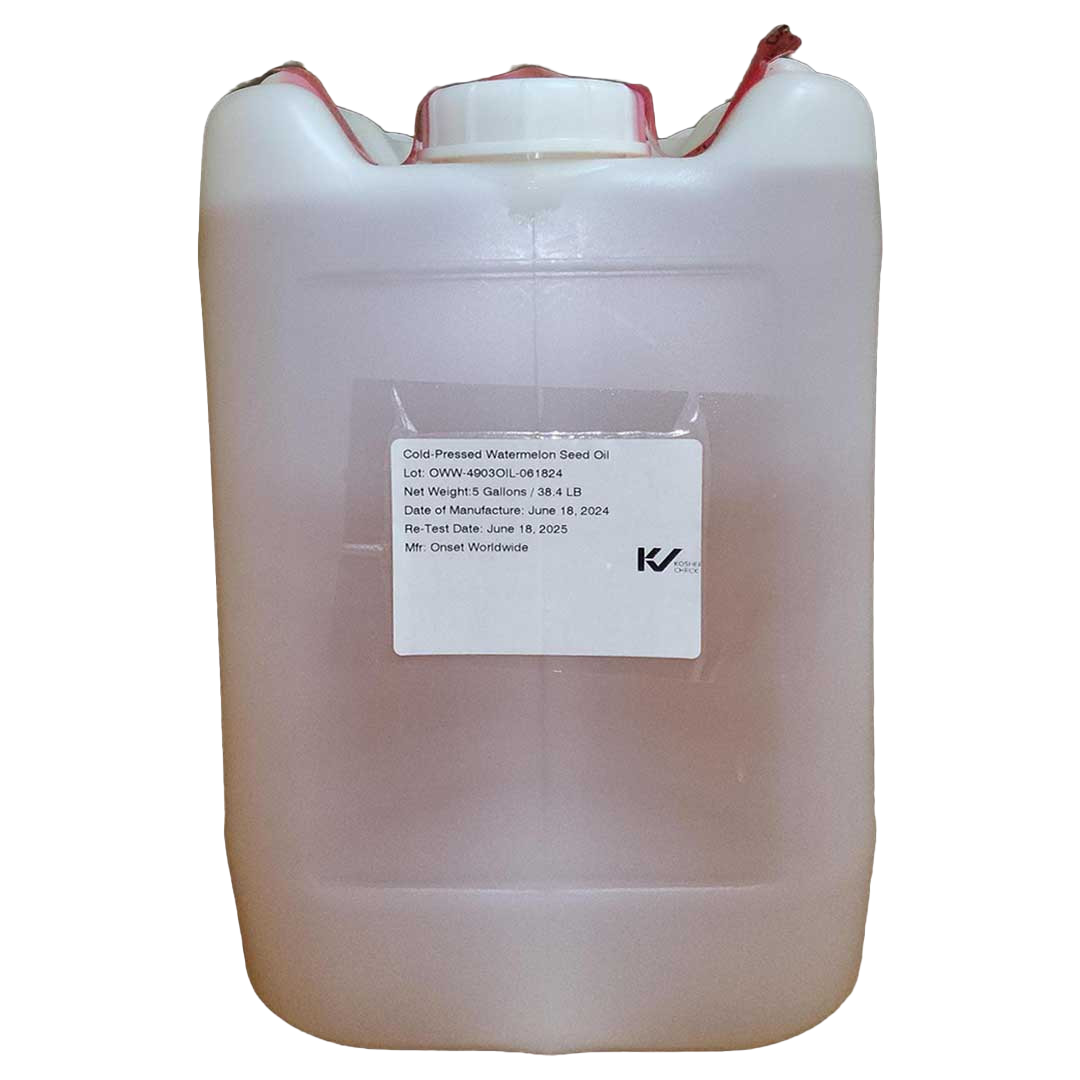
Pure Watermelon Seed Oil (Cold-Pressed)
Available in 5 Gallon Pails.
Shop Watermelon Seed OilProduct Updates & Uses
Subscribe to get notified about Pure Watermelon Seed Oil and other products from Ingredi
Subscribe