



Tapioca Starch vs Cassava Flour: A Gluten-Free Guide
By on May 13th 2026
Is Tapioca Starch the Same as Cassava Flour?
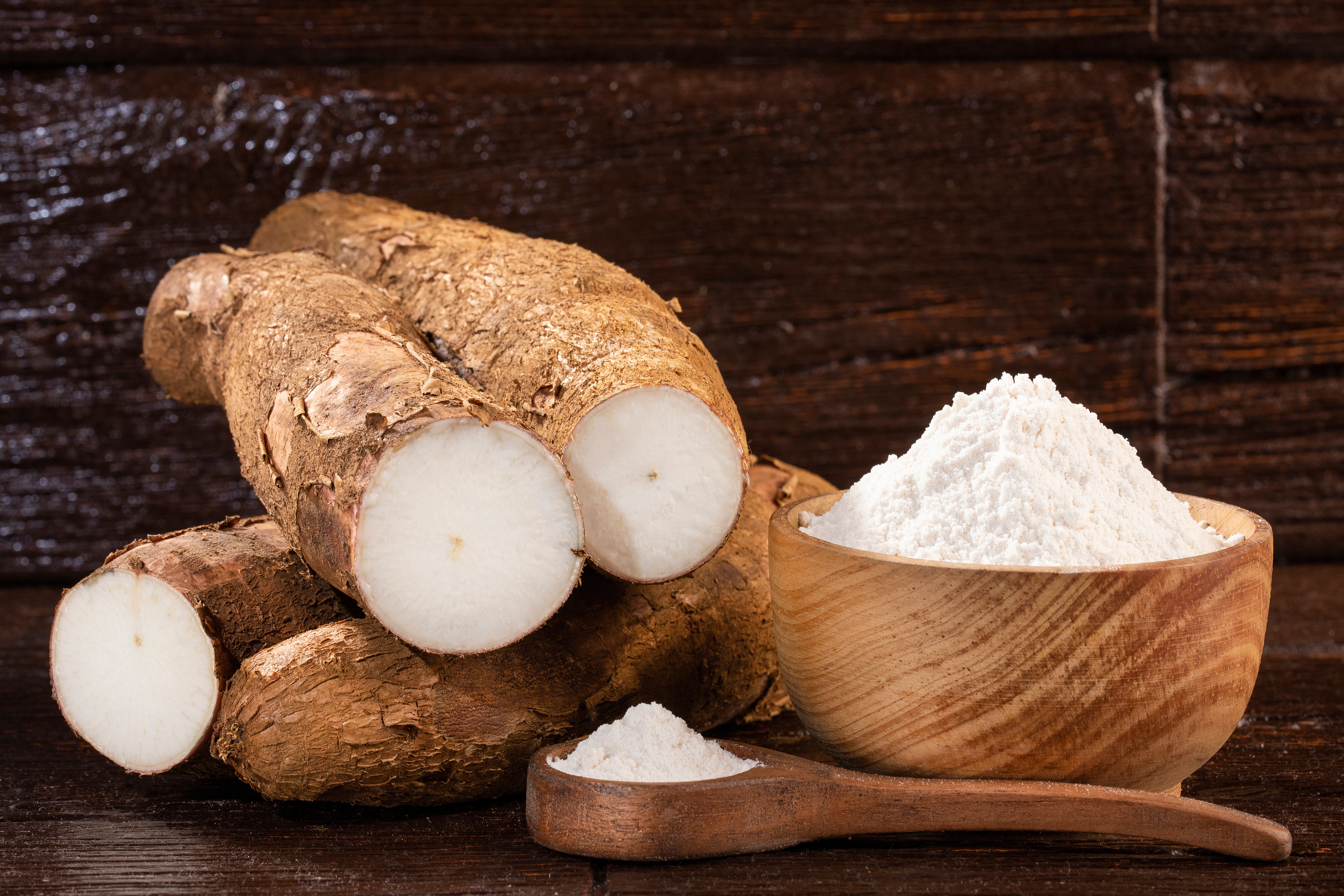
No, tapioca starch and cassava flour are not the same. Both ingredients come from the cassava root, but they are processed differently and perform different jobs in cooking, baking, and commercial food formulation.
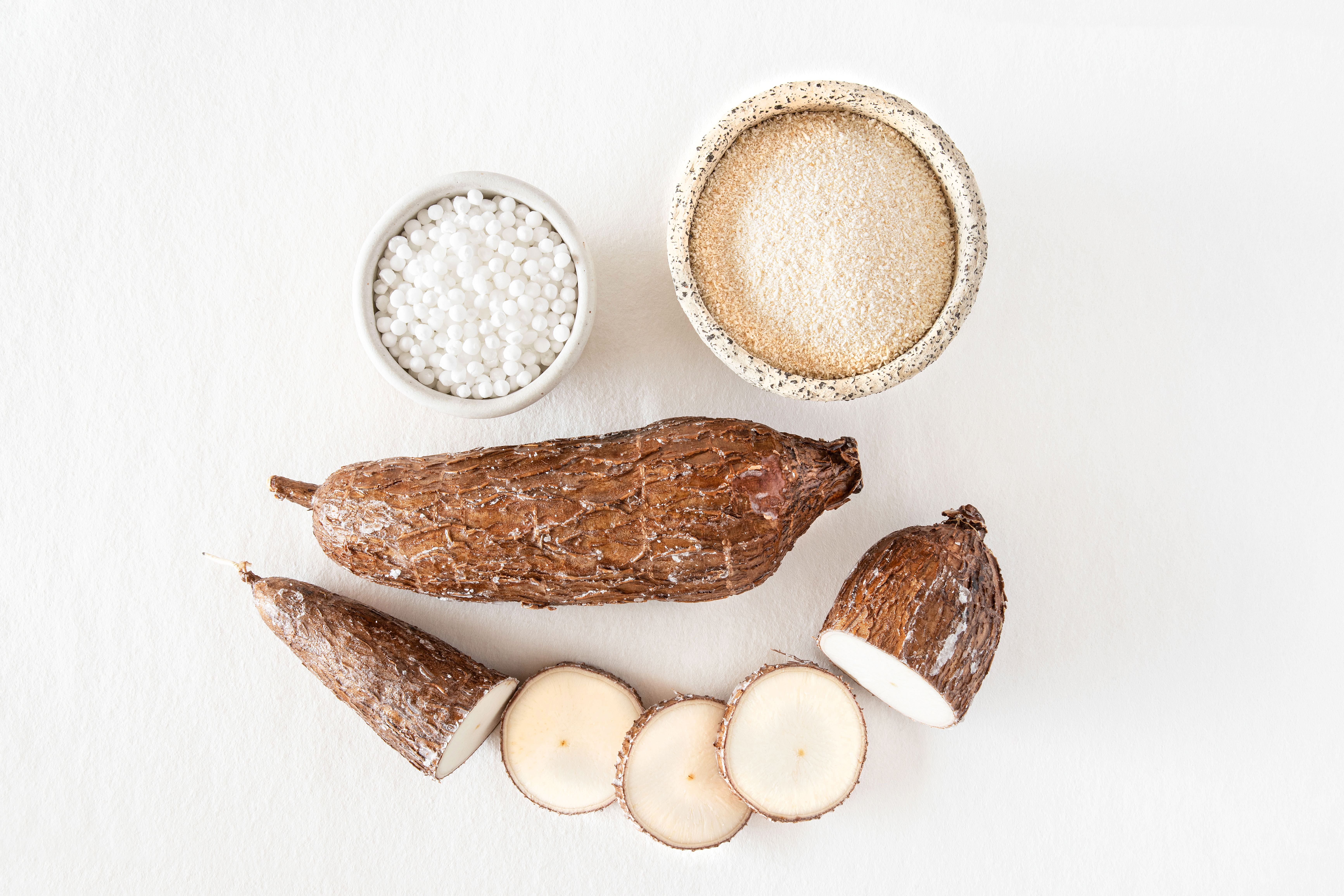
Tapioca starch, sometimes called tapioca flour, is the extracted starch from cassava root. It is typically used for thickening, binding, adding chew, and creating crisp textures. Cassava flour is made from more of the whole cassava root, giving it a flour-like structure that works better in gluten-free baking, tortillas, flatbreads, and dry mixes.
Understanding the difference matters because these ingredients are not usually interchangeable. Choosing the right one can improve texture, consistency, flavor, and finished product performance.

What Is Tapioca Starch?
Tapioca starch is a refined starch extracted from the cassava root. It is processed to separate the starch from the rest of the root, then dried into a fine white powder.
Because tapioca starch has a neutral flavor and smooth texture, it is often used when formulators or home cooks need thickening power without adding noticeable flavor. It is common in sauces, soups, gravies, puddings, pie fillings, gluten-free baking blends, coatings, and snack applications.
Tapioca starch is especially useful when a recipe needs:
- Thickening
- Binding
- Chewiness
- Crisp texture
- Glossy finish in sauces or fillings
- Neutral flavor contribution
In many markets, the terms tapioca starch and tapioca flour are used to describe the same ingredient. This is one reason people often confuse it with cassava flour.
What Is Cassava Flour?
Cassava flour is made from cassava root that is peeled, dried, and milled into a flour-like powder. Unlike tapioca starch, cassava flour uses more of the whole root, which gives it a different texture, flavor, and function.
Cassava flour is often used as a gluten-free alternative to wheat flour in recipes that need more structure and body. It has a mild flavor that may be described as slightly earthy or nutty, depending on the product and application.
Cassava flour is commonly used in:
- Gluten-free baked goods
- Tortillas and flatbreads
- Pancakes and waffles
- Muffins and quick breads
- Dry baking mixes
- Grain-free and gluten-free formulations
Because cassava flour behaves more like a flour than a starch, it is usually a better choice when the goal is flour replacement rather than thickening.
How Are Tapioca Starch and Cassava Flour Made?
Tapioca starch and cassava flour both start with cassava root, but their processing methods are different.
How Tapioca Starch Is Made
To make tapioca starch, cassava root is typically peeled, washed, crushed, and processed to separate the starch from the root pulp. The extracted starch is then dried into a fine powder.
This process produces a refined starch with a neutral flavor, smooth texture, and strong thickening ability.
How Cassava Flour Is Made
Cassava flour is made by peeling, drying, and milling the cassava root into flour. Since more of the root is used, cassava flour has more body and behaves differently from tapioca starch in recipes.
This difference in processing is the main reason the two ingredients are not interchangeable in many applications.
Key Differences Between Tapioca Starch and Cassava Flour
1. Composition
Tapioca starch is mostly starch. It is refined and used primarily for functional purposes like thickening, binding, and texture control.
Cassava flour is made from more of the whole cassava root. It functions more like a gluten-free flour and contributes more body to recipes and formulations.
2. Texture
Tapioca starch is very fine and smooth. It can create glossy sauces, chewy textures, and crisp coatings.
Cassava flour has a more flour-like texture. It works better when a recipe needs structure, bulk, or a wheat-flour-style base.
3. Flavor
Tapioca starch is neutral and adds little flavor.
Cassava flour has a mild cassava-root flavor that may come through in simple formulations, especially when used at higher levels.
4. Best Uses
Tapioca starch is best for thickening, binding, chewiness, and crispness.
Cassava flour is best for gluten-free baking, tortillas, flatbreads, pancakes, and dry mixes.
Nutritional and Formulation Differences
Both tapioca starch and cassava flour come from cassava root, but they are not nutritionally identical.
Tapioca starch is more refined and consists primarily of starch. It is usually selected for texture, viscosity, binding, and thickening rather than nutritional contribution.
Cassava flour contains more of the whole root, so it generally provides more fiber and flour-like structure than tapioca starch. That makes it useful when the goal is to replace part or all of a traditional flour system.
For commercial product development, the more important question is not which ingredient is “healthier.” The better question is what function the ingredient needs to perform in the final product.
Which Is Better for Gluten-Free Baking?
Cassava flour is usually the better option when you need a main gluten-free flour alternative. It provides more structure and body than tapioca starch and is often used in baked goods, flatbreads, tortillas, pancakes, muffins, and dry mixes.
Tapioca starch is still valuable in gluten-free baking, but it usually plays a supporting role. It can help improve chew, binding, crispness, and texture when blended with other gluten-free flours.
For example:
- Use cassava flour as a flour base in tortillas, flatbreads, pancakes, and baked goods.
- Use tapioca starch to improve chew, binding, crispness, or thickening in a gluten-free formula.
Tapioca Starch Uses
Tapioca starch is widely used in food applications where thickening, binding, or texture modification is needed.
Common uses include:
- Sauces and gravies
- Soups and stews
- Pie fillings
- Puddings and custards
- Gluten-free baking blends
- Crackers and snacks
- Batters and coatings
- Fried foods where crispness is desired
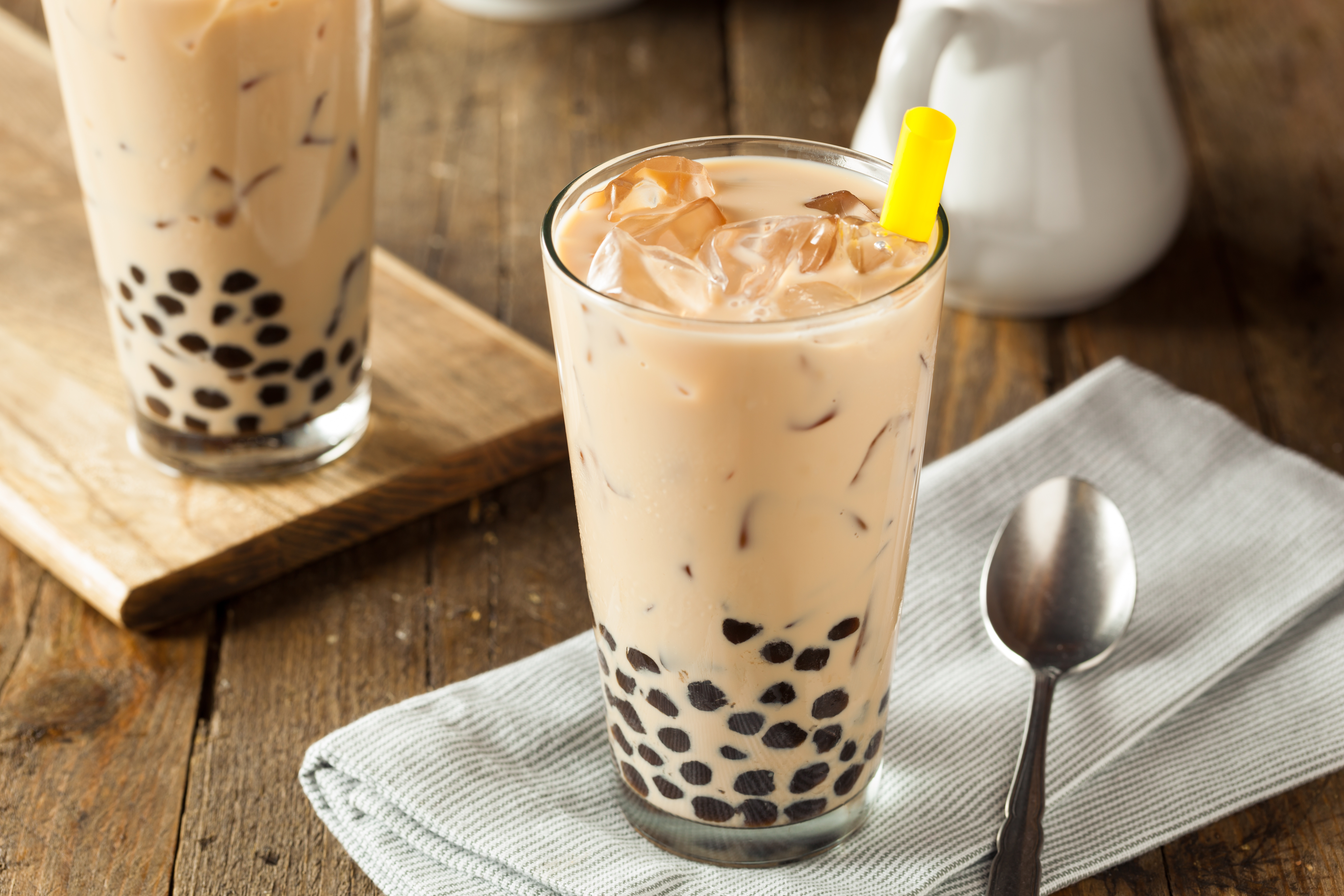
- Tapioca pearls and bubble tea applications
Tapioca starch is especially useful when a clean, neutral flavor and smooth texture are important.
Cassava Flour Uses
Cassava flour is commonly used where a gluten-free flour alternative is needed. It can provide body, structure, and mild flavor in a wide range of recipes and commercial formulations.
Common uses include:
- Gluten-free breads
- Tortillas and wraps
- Flatbreads
- Pancakes and waffles
- Muffins and quick breads
- Cookies and cakes
- Dry baking mixes
- Grain-free product formulations
Cassava flour can often be used in flour-based applications, but hydration and formula balance should be tested carefully.
Can You Substitute Tapioca Starch for Cassava Flour?
In most cases, no, not directly. Tapioca starch and cassava flour behave differently because tapioca starch is mostly starch, while cassava flour functions more like a flour.
Use tapioca starch when you need:
- Thickening
- Binding
- Chew
- Crispness
- A glossy sauce or filling
- Neutral flavor
Use cassava flour when you need:
- Flour-like structure
- Bulk in dry mixes
- Gluten-free baking functionality
- Tortillas, flatbreads, pancakes, or baked goods
For best results, follow a tested formula instead of swapping one for the other at a 1:1 ratio.
Can You Substitute Cassava Flour for Tapioca Starch?
Usually, cassava flour is not the best direct substitute for tapioca starch in thickening applications. Cassava flour may make sauces, fillings, or puddings heavier, cloudier, or grainier than intended.
If a recipe calls for tapioca starch as a thickener, use tapioca starch when possible. If a recipe calls for cassava flour as a baking flour, use cassava flour when possible.
The two ingredients come from the same plant, but they are designed for different roles.
Choosing the Right Ingredient for Commercial Formulation
For food manufacturers, the choice between tapioca starch and cassava flour depends on the role the ingredient needs to play in the formula.
Choose tapioca starch when the goal is to build viscosity, improve binding, add chew, create a crisp coating, or thicken a sauce, filling, soup, or pudding.
Choose cassava flour when the formula needs a gluten-free flour alternative that contributes body, structure, and mild cassava-root flavor.
Both ingredients can support gluten-free and plant-based product development, but they should be tested in the finished application to confirm texture, hydration, processing behavior, and final product quality.
For commercial ingredient sourcing, Ingredi offers:
Tips for Cooking and Baking with Tapioca Starch and Cassava Flour
To get better results with these ingredients, keep the following tips in mind:
- Use tapioca starch for thickening sauces, soups, gravies, and fillings.
- Use cassava flour when you need a flour-like base for gluten-free baking.
- Do not assume the two ingredients can be swapped 1:1.
- Adjust liquids when working with cassava flour, since it may absorb moisture differently than wheat flour.
- Use tapioca starch in gluten-free flour blends to improve texture and binding.
- Test small batches before scaling a commercial formula.
Frequently Asked Questions
Is tapioca starch the same as cassava flour?
No. Tapioca starch is the extracted starch from cassava root, while cassava flour is made from more of the whole root. They come from the same plant but perform differently in recipes and food formulations.
Is tapioca starch also called tapioca flour?
Yes. In many markets, tapioca starch and tapioca flour refer to the same ingredient. This can cause confusion because cassava flour is a different product.
Which is better for thickening, tapioca starch or cassava flour?
Tapioca starch is usually better for thickening sauces, soups, gravies, pie fillings, and puddings because it creates viscosity without adding much flavor.
Which is better for gluten-free baking?
Cassava flour is usually better when you need a flour-like ingredient for gluten-free baking. Tapioca starch can still be useful in gluten-free baking blends, but it is usually used for texture, chew, or binding rather than as the main flour.
Can I substitute tapioca starch for cassava flour?
Not as a direct 1:1 replacement in most recipes. Tapioca starch is more refined and behaves like a starch, while cassava flour behaves more like a flour.
Can I substitute cassava flour for tapioca starch?
Usually not in thickening applications. Cassava flour may change the texture, opacity, and flavor of sauces or fillings. Tapioca starch is the better choice when clean thickening and smooth texture are needed.
Are tapioca starch and cassava flour gluten-free?
Yes. Both come from cassava root and are naturally gluten-free. For commercial gluten-free claims, confirm supplier documentation and production controls.
Which ingredient should food manufacturers choose?
Use tapioca starch for thickening, binding, chew, and crispness. Use cassava flour for flour replacement, structure, body, and gluten-free bakery applications.
Conclusion: Which Should You Use?
Use tapioca starch when you need thickening, binding, chewiness, crispness, or a smooth texture in sauces, fillings, coatings, snacks, and gluten-free blends.
Use cassava flour when you need a gluten-free flour alternative for baking, tortillas, flatbreads, pancakes, dry mixes, or other applications that require structure and body.
The simplest way to think about it is this:
Same source, different ingredient. Tapioca starch thickens and binds. Cassava flour functions more like a gluten-free flour.